How Dinosaur Fossils Formed Step by Step
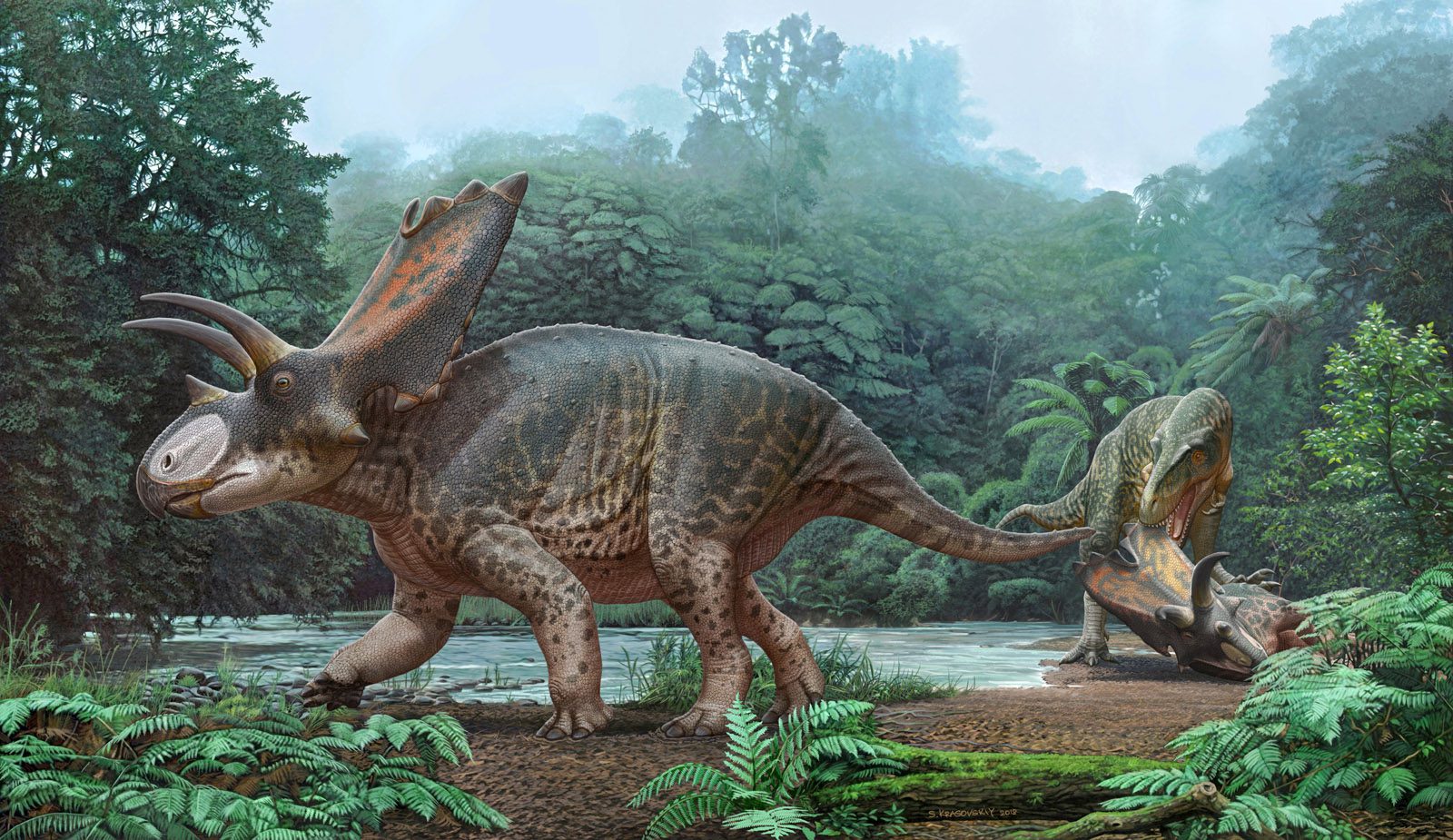
Dinosaur fossils formed through a very rare process that turned ancient bones into hard rock over millions of years. Most dinosaurs that died simply rotted away or got eaten by scavengers. Only a tiny fraction of these giant creatures ended up in the right spot at the right time to leave a fossil behind.
To turn a skeleton into stone, a quick burial was needed right after the animal died. Mud, sand, or volcanic ash had to cover the body before wind, rain, and other animals destroyed it. You can learn more about ancient events by reading about the Dinosaur Asteroid Impact and the End of the Giant Lizards on our main site.
Step 1: The Dinosaur Dies Near Water
Most of the bones we find today come from animals that lived near rivers, lakes, or oceans. Imagine a heavy duck-billed dinosaur slipping into a muddy riverbank. It dies, and the rushing water carries sediment over its big body. The soft parts like skin, eyes, and meat break down quickly. Only the hard parts, like teeth and big bones, remain under the heavy dirt.
This early burial acts like a protective blanket. It blocks out oxygen, which slows down decay. Without oxygen, bacteria cannot eat away at the heavy skeleton as fast. You can explore more prehistoric guides on our dinosaur history home page to see how different creatures lived.
Step 2: Dirt Layers Pile Up Over Time
As thousands of years pass, more dirt, sand, and mud wash over the site. These thick layers get very heavy. The strong weight presses down from above, turning the loose mud into solid rock like shale or sandstone. Scientists track these layers to figure out Dinosaur size and how big these animals grew in their ancient homes.
Under all that weight, water seeps deep into the soil. This underground water carries tiny minerals like silica, iron, and calcite. The water flows into tiny open spaces inside the porous bones. The bones work like small sponges, soaking up the mineral water year after year.
How Do Dinosaur Fossils Turn Into Stone?
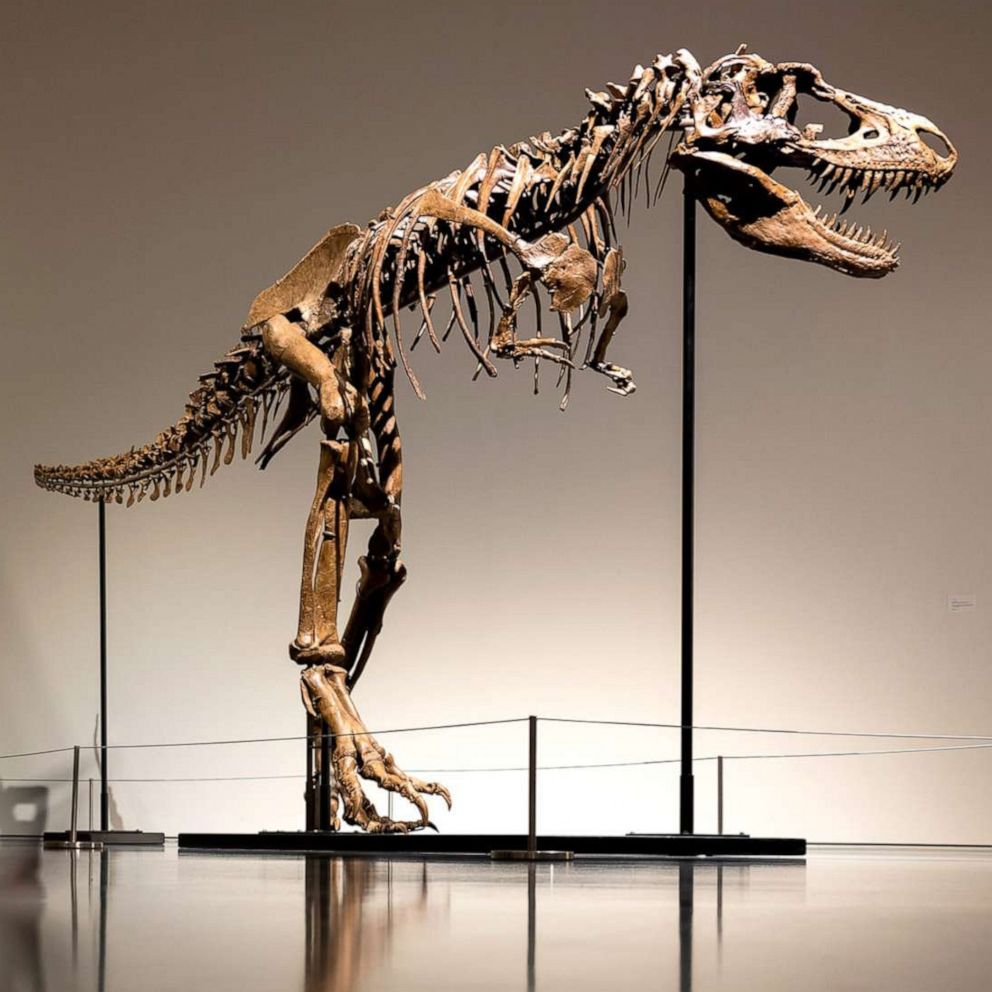
The main way this happens is called permineralization. Mineral water fills every tiny gap inside the original bone. Over millions of years, the minerals turn into solid rock crystals inside those little spaces. In some cases, the natural bones dissolve completely, leaving a bone-shaped hole in the rock that fills up with new minerals.
When you hold a fossil in a museum, you are not holding real bone anymore. You are holding heavy rock that sits in the exact shape of the old bone. Scientists check these hard rocks to study old nests, similar to details found in Dinosaur egg research. Deep rock layers also tell us about giant volcanic events like the Deccan Traps, which changed ancient land forever.
Step 3: Earth Moves and Brings Bones to the Surface
The earth’s outer crust is always moving slowly. Deep rock layers shift, fold, and push upward to make high hills and mountains. Rain, wind, and river water wear away the top layers of new rock. This process is called erosion.
Erosion slowly strips away the dirt cover and brings the hidden fossils close to the air again. A fossil hunter walking along a dry valley might spot a small brown rock sticking out of a cliff face. If they look closely, they might find a petrified tooth or a giant leg bone. To discover more about paleontology, check out our guide on Dinosaur Asteroid Impact and the End of the Giant Lizards or read more on our fossil discovery resources hub.
Summary of the Fossil Process
Turning a creature into stone takes special steps. First, the animal dies near mud or water. Next, heavy sediments cover the body fast. Then, mineral water seeps inside the bones and thick rock forms over millions of years. Finally, Earth pushes the rocks up so rain washes away the dirt and uncovers the petrified skeleton.
Have you ever searched for rocks or old plant marks near your town? Next time you walk near a river or a rocky hill, keep your eyes open. You might just walk past a piece of ancient Earth history sitting right under your feet.
1 comment