Dinosaur Asteroid Impact and the End of the Giant Lizards

A giant rock from space hit the Earth 66 million years ago and changed everything forever. This asteroid was about six miles wide and crashed into the ocean near Mexico with the power of billions of atomic bombs. It did not just kill the dinosaurs nearby, it started a chain of events that wiped out three out of every four species on the planet.
Scientists call this the Chicxulub impact. It is the most famous part of dinosaur history because it marks the exact moment the age of giants ended. If that rock had missed by just a few minutes, dinosaurs might still be walking around today. You can learn more about how life started small by looking at Dinosaur Eggs and How They Helped Babies Survive to see their early life cycles.
What happened when the asteroid hit Earth?
The moment of impact was more violent than anything we can imagine. When the rock hit the water, it blasted a hole 20 miles deep into the Earth’s crust. It sent huge amounts of dust, sulfur, and soot high into the sky. This material did not just fall back down right away. It stayed up there and blocked out the sun for years.
The ground shook so hard that it caused massive earthquakes and volcanic eruptions all over the world. Giant waves called tsunamis, some hundreds of feet high, raced across the oceans. If you want to know more about the world they lived in, check out this guide to prehistoric environments. The heat from the crash also started forest fires that burned up huge parts of the land.
Why did the dinosaurs go extinct?
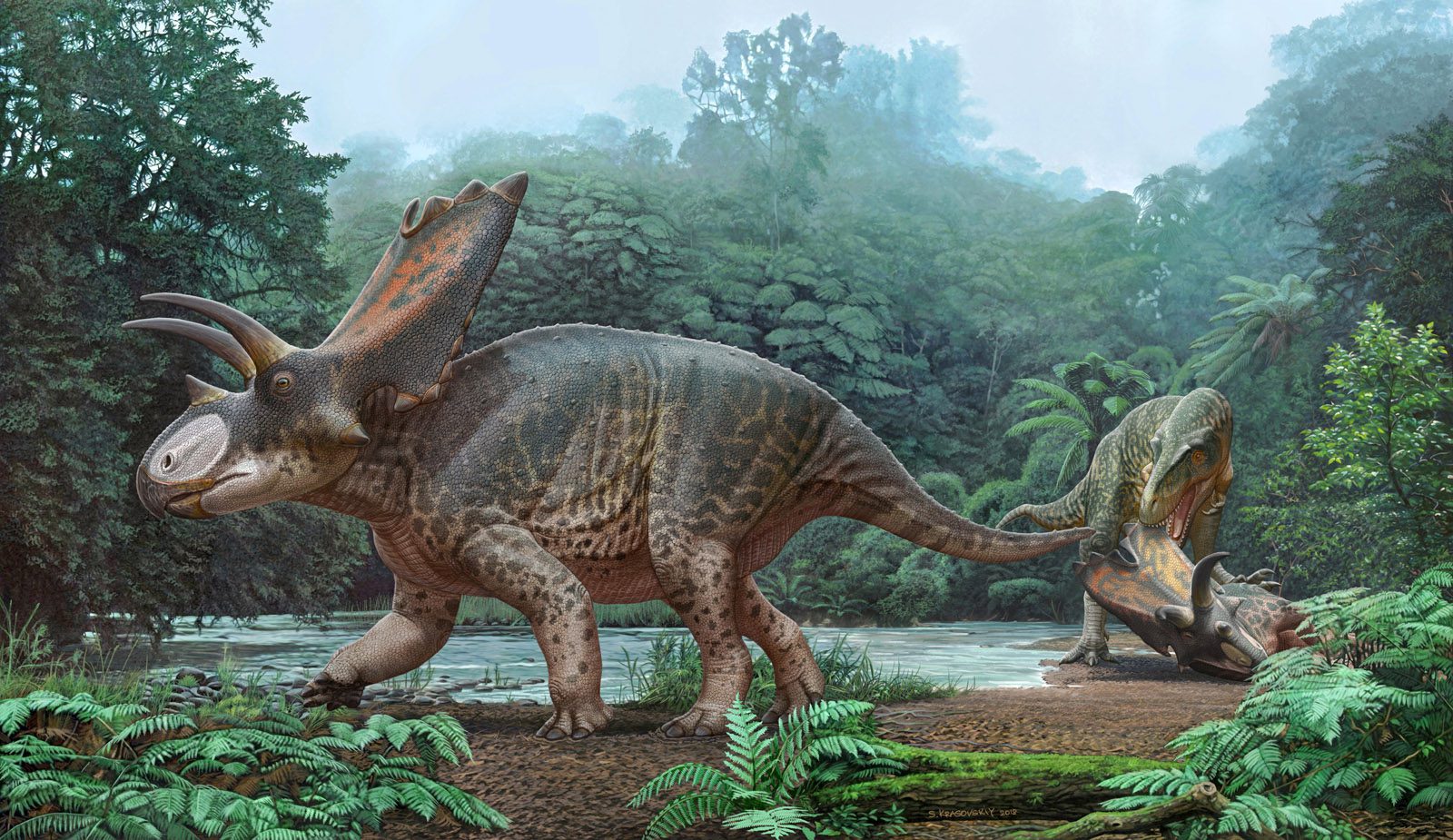
The biggest problem for the dinosaurs was not the fire or the waves. It was the long dark winter that followed. Since the sun could not get through the thick dust clouds, plants could not grow. Without plants, the big plant-eating dinosaurs like Triceratops had nothing to eat. When they died, the meat-eaters like T-Rex lost their food too.
This collapse of the food chain was the main reason for the extinction. Small animals had a better chance. Creatures that could eat rotting wood, seeds, or insects survived while the giants starved. You can see how different sizes affected survival by reading about dinosaur size and how it changed over time. Most animals that weighed more than 50 pounds did not make it through this time.
How do we know the asteroid was real?
For a long time, people were not sure why the dinosaurs died. Then, in the 1980s, a team of scientists found a thin layer of clay all over the world. This clay has a lot of iridium in it. Iridium is very rare on Earth but very common in space rocks. This was the smoking gun that proved a big rock had hit the planet.
Later, they found the huge crater buried under the ocean floor near the town of Chicxulub in Mexico. It is 110 miles wide. This discovery matched the iridium layer perfectly. For more details on these big finds, look at our fossil discovery records. This evidence helped everyone agree that the asteroid was the main cause of the mass extinction.
What about the survivors?
Not every dinosaur died. One group of small, feathered dinosaurs managed to live through the dark years. We see them every day now, we just call them birds. While the massive long-necked dinosaurs disappeared, these small survivors carried on the family line. It is amazing to think a sparrow in your yard is a tiny cousin of a raptor. Some researchers even study Dinosaur Eggs and How They Helped Babies Survive to see how birds and dinosaurs are so similar.
The story of the asteroid shows us how fragile life can be. One bad day in space changed the history of our world forever. It cleared the way for mammals, and eventually humans, to take over. What do you think the world would look like if the asteroid had missed? Would we even be here today?
To recap, a six-mile-wide asteroid hit Mexico 66 million years ago. It caused fires, tsunamis, and a long dark winter that killed the plants. This caused the food chain to break, leading to the end of the big dinosaurs.
1 comment